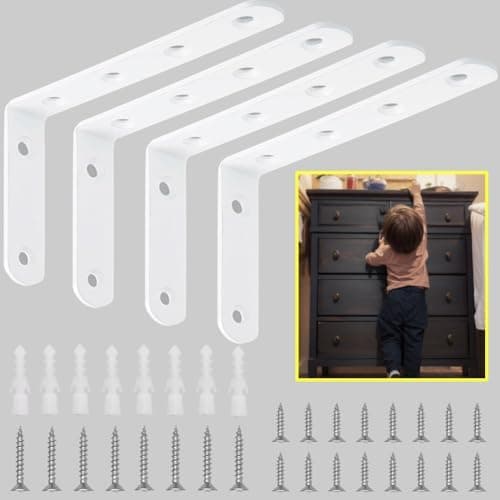
Bookcases, filing cabinets, and even large monitors can tip if climbed or pulled. Securing them is one of the highest-impact safety upgrades for an office.

Dangling cords invite pulling, chewing, and tripping. Cable control also reduces the chance of equipment falling off the desk onto a child.

Power strips are irresistible because of lights, buttons, and multiple plugs. A covered, mounted setup prevents tampering and unplugging critical devices.

Home offices often store staples, scissors, batteries, and paper shredders—items that can cut, choke, or poison. Childproof locks keep the danger zone closed.
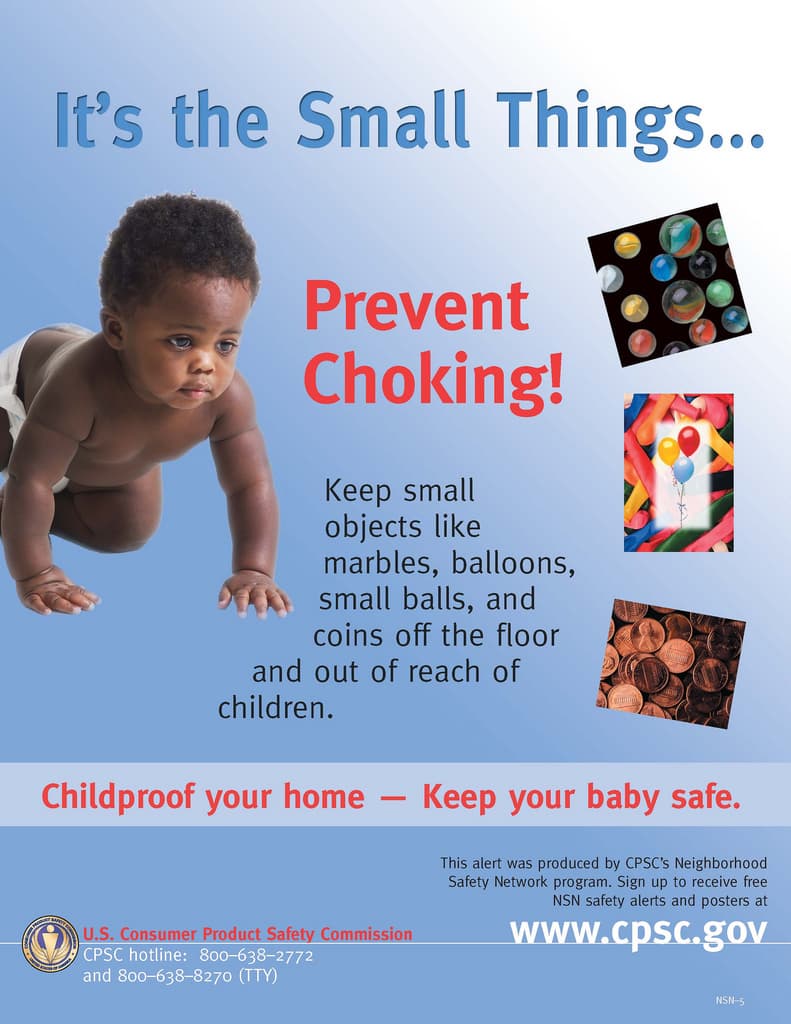
Office supplies are a classic choking risk—paper clips, pushpins, coin batteries, USB dongles. A “small-parts policy” is more reliable than sporadic cleanup.

Printers and shredders have moving parts, hot surfaces, and accessible cords. Creating a restricted, physical zone reduces contact and curiosity-driven accidents.
The fastest way to babyproof is to control access. A home office can be treated like a utility room—allowed only with supervision or not at all.

Low desks, credenzas, and rolling cabinets often have sharp corners at head height for toddlers. Edge protection reduces injury severity from falls and bumps.

Wheeled chairs roll over fingers and toes; drawers pinch; sit-stand desks introduce moving parts. Small setup changes dramatically cut risk.
Offices often include cleaning sprays, diffusers, and houseplants—many are toxic if ingested. Hot drinks and humidifiers can also cause burns or scalds.