%3Amax_bytes(150000)%3Astrip_icc()%2Fgreat-wall-china-winding-GWOC0417-f16a80ebf2e44948be8d6284c15a8b2c.jpg&w=256&q=75)
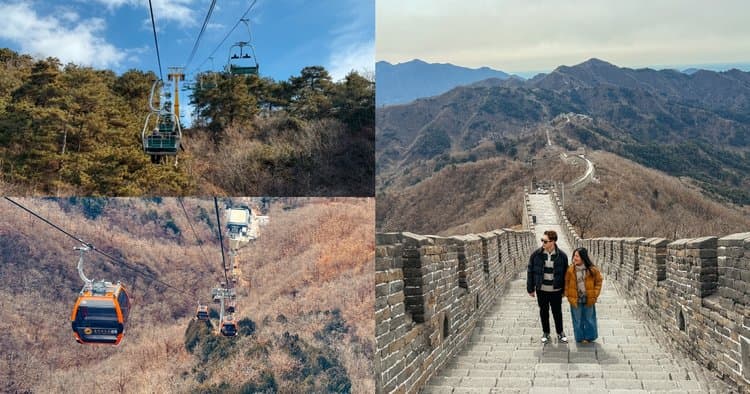
Spanning rugged ridgelines for thousands of kilometers, the Great Wall is a testament to ancient engineering and ambition. Near Beijing, Mutianyu and Jinshanling offer scenic, less-crowded sections compared with Badaling. Visit in spring or autumn for clear skies and comfortable temperatures, and go early to beat the crowds. Cable cars and toboggans ease access in some areas, while hikers can tackle restored and “wild” sections for varied experiences. Bring layers, sturdy shoes, and plenty of water.

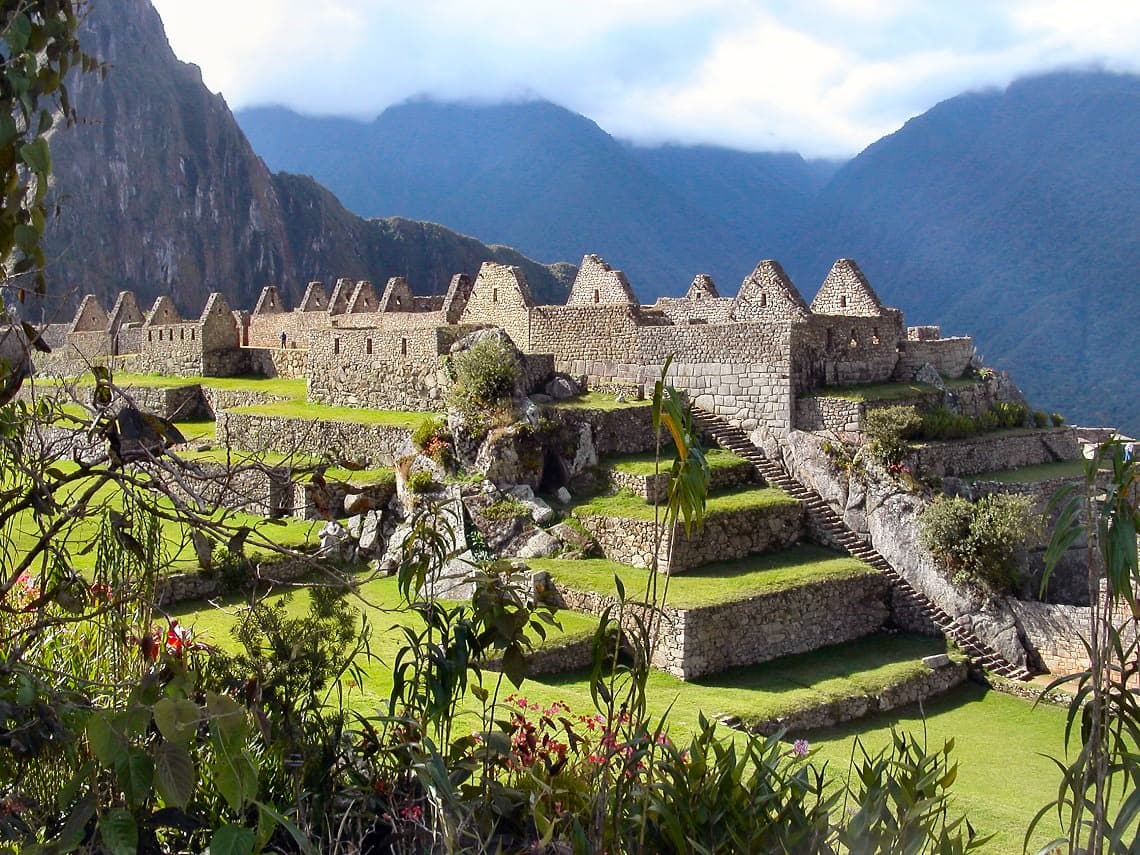
This 15th-century Inca citadel, set high in the Andes above cloud forests, is a bucket-list blend of mystery, architecture, and epic scenery. Reach it via the multi-day Inca Trail (permit required) or by train to Aguas Calientes followed by a short bus ride. Sunrise views from the Sun Gate (Inti Punku) or the Inca Bridge are unforgettable. Timed entries and daily quotas help preserve the site—book well in advance. The dry season (May–September) offers the best hiking conditions.

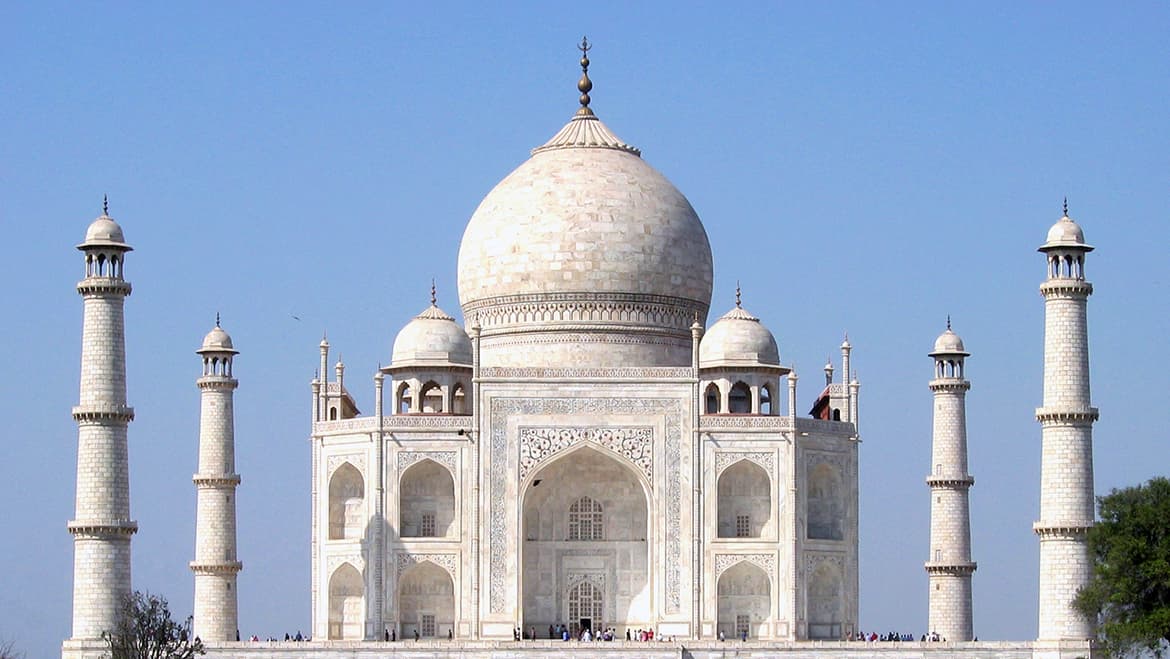
A masterpiece of Mughal design, the Taj Mahal dazzles with its luminous white marble, intricate inlay, and near-perfect symmetry. Arrive at dawn for softer light and fewer people, and consider a sunset perspective across the Yamuna River from Mehtab Bagh. Security is strict—pack light and expect separate lines. Shoe covers are provided for walking on the marble platform. Fridays are reserved for prayers, so plan accordingly. Combine with Agra Fort to round out the Mughal story.

The last surviving Wonder of the Ancient World anchors a vast desert plateau on Cairo’s edge. Explore the Great Pyramid of Khufu, the Pyramid of Khafre, Menkaure, and the enigmatic Sphinx. Separate tickets allow limited entries inside certain pyramids—hot, narrow passages await. Visit in the cooler months (October–April) and start early to avoid midday heat. Consider reputable guides and be mindful of animal welfare if approached for camel or horse rides. The nearby Grand Egyptian Museum aims to showcase unparalleled artifacts when fully accessible.

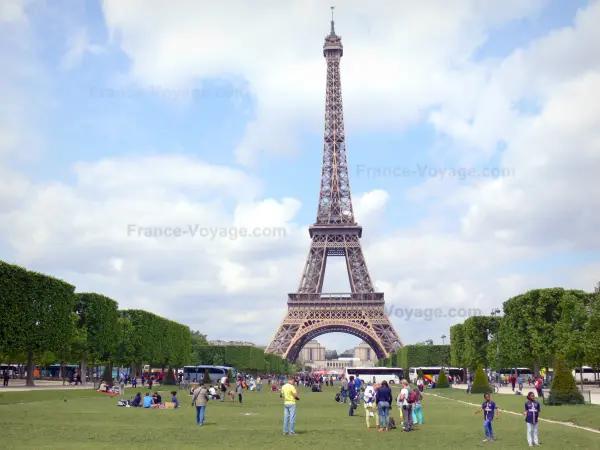
Paris’s iron icon delivers sweeping city views and a dose of Belle Époque engineering. Book timed tickets in advance, especially if aiming for the summit; stairs to the second floor are a rewarding, less costly alternative. Golden hour and nighttime (when the tower sparkles) are particularly photogenic, with prime vantage points at Trocadéro and along the Champ de Mars. Expect airport-style security and lines—travel light and arrive early. Combine with a Seine cruise for a classic Paris pairing.

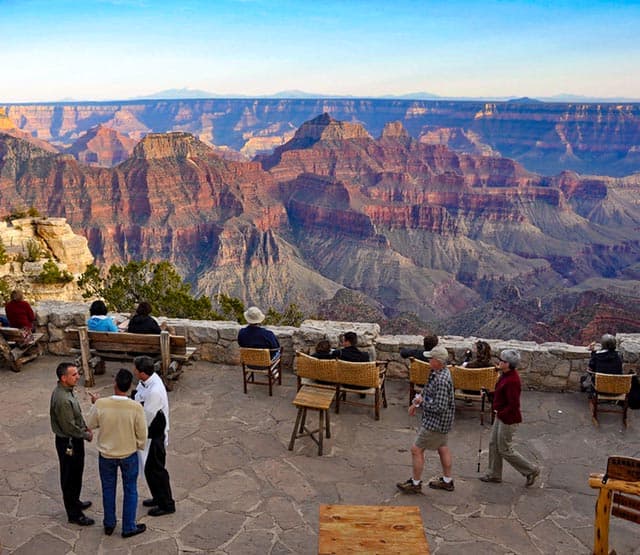
A colossal chasm carved by the Colorado River, the Grand Canyon stuns with striated cliffs and endless horizons. The South Rim offers year-round access, frequent shuttles, and iconic viewpoints like Mather and Yavapai; the quieter North Rim is open seasonally. For immersion, hike South Kaibab or Bright Angel trails—bring ample water and prepare for drastic temperature changes. Sunrise and sunset amplify colors, and starry skies reward overnight stays. Reserve lodging and backcountry permits well ahead.

The world’s largest coral reef system dazzles with kaleidoscopic marine life, from clownfish to manta rays. Base yourself in Cairns, Port Douglas, or the Whitsundays for snorkeling, diving, and glass-bottom boat tours. Choose eco-certified operators that follow reef-friendly practices, and consider outer reef sites for clearer visibility. Stinger season requires protective suits in some months; conditions are typically best from June to November. Even non-divers can enjoy scenic flights over heart-shaped coral cays.
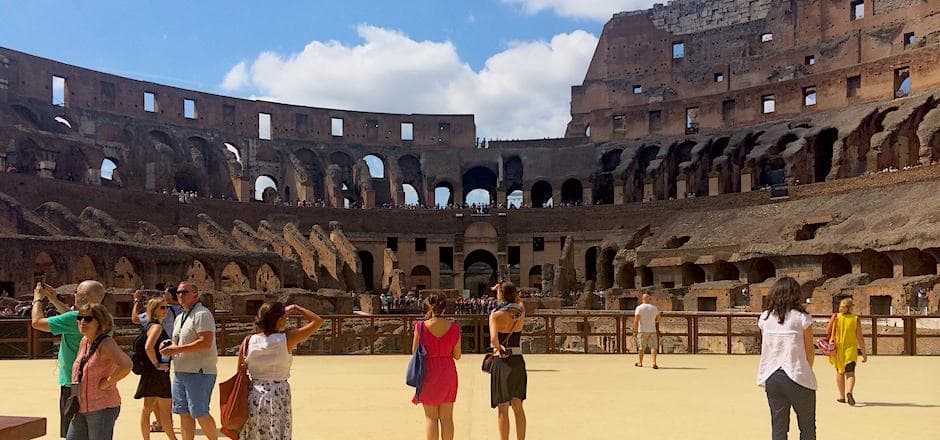
This vast amphitheater, once the stage for gladiatorial spectacle, anchors Rome’s archaeological heart. A combined ticket with the Roman Forum and Palatine Hill deepens context—book a timed entry to skip long queues. Specialized tours access the arena floor and underground hypogeum for behind-the-scenes insight. Visit early morning or late afternoon to avoid heat and capture soft light. Wear comfortable shoes; uneven stones and steps are part of the experience.

Carved into rose-red sandstone, Petra’s monumental tombs and temples reveal the sophistication of the Nabataean civilization. Enter through the narrow Siq to the famed Treasury (Al-Khazneh), then continue to the Street of Facades, Royal Tombs, and the cliff-top Monastery (Ad-Deir). Start early, wear sturdy footwear, and plan for significant walking and stairs. A two-day pass lets you explore at a gentler pace. Petra by Night, with candlelit pathways and music at the Treasury, adds an atmospheric twist.

The world’s largest religious complex pairs monumental Khmer architecture with jungle ambiance. Catch sunrise at Angkor Wat, then roam Angkor Thom’s Bayon (with its serene stone faces) and the tree-entwined Ta Prohm. Purchase 1–3 day passes depending on your pace, and consider a tuk-tuk, bicycle, or guided tour to navigate distances and decode history. Dress modestly for temple etiquette and avoid midday heat when possible. Dry season (November–March) offers the most pleasant touring weather.