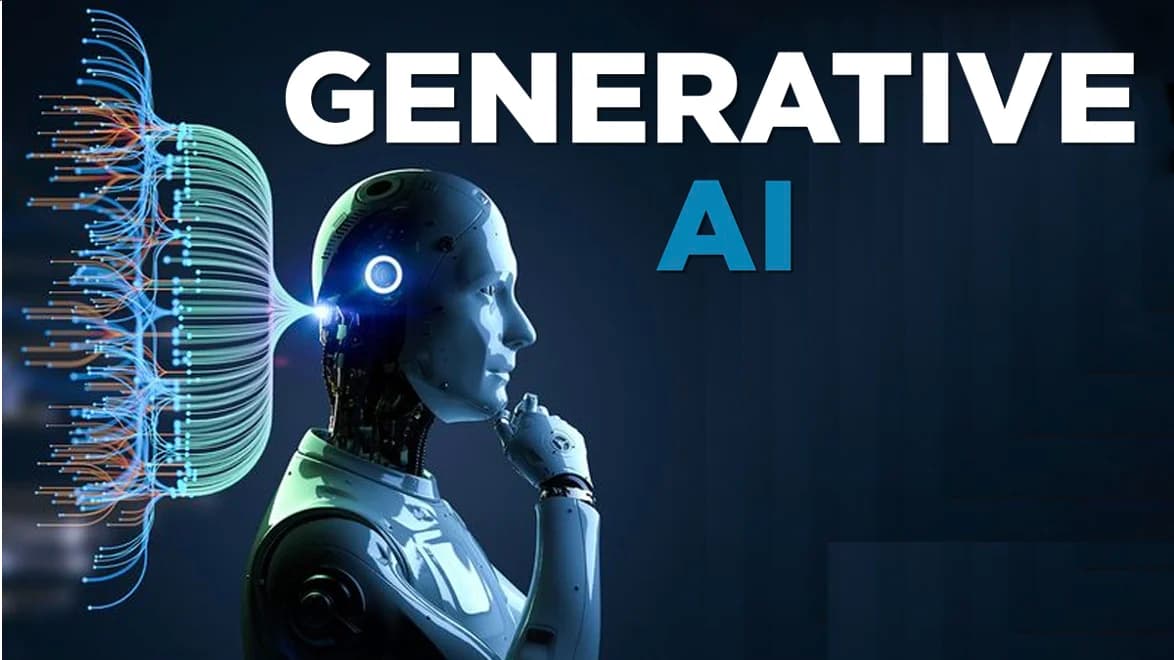
Large-scale AI models that can generate text, images, code, audio, and video are transforming knowledge work, customer support, design, software engineering, and scientific discovery.
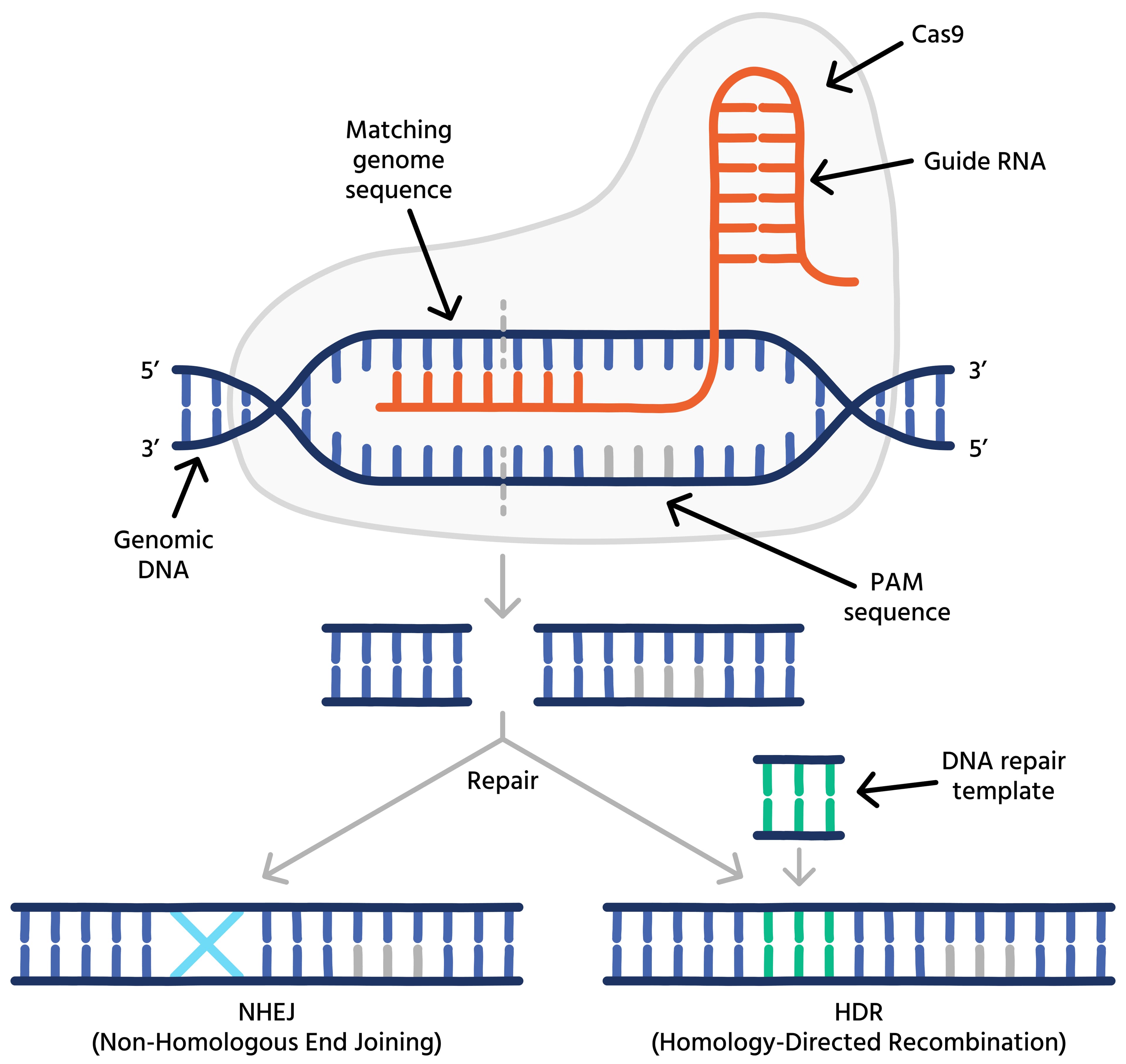
Programmable genetic tools are making it possible to precisely edit DNA/RNA, promising new therapies for inherited diseases and advancing agriculture and biotech manufacturing.
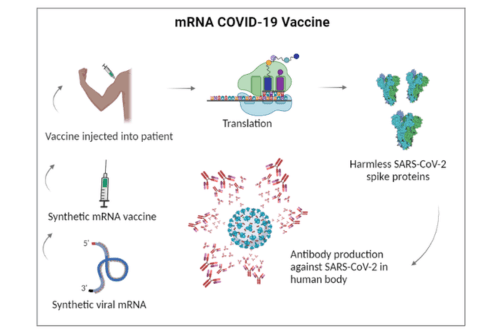
mRNA technology enables faster design and iteration of vaccines and therapeutics by instructing cells to produce target proteins, reshaping how medicines are developed and updated.

Quantum computers aim to solve certain classes of problems more efficiently than classical machines, with long-term potential in materials science, optimization, and cryptography.

Nuclear fusion seeks to produce abundant low-carbon energy by replicating the sun’s power source on Earth; recent progress is improving feasibility and investment momentum.

Next-gen batteries aim to improve safety, energy density, and charging speed—critical for electric vehicles, grid storage, and portable electronics.
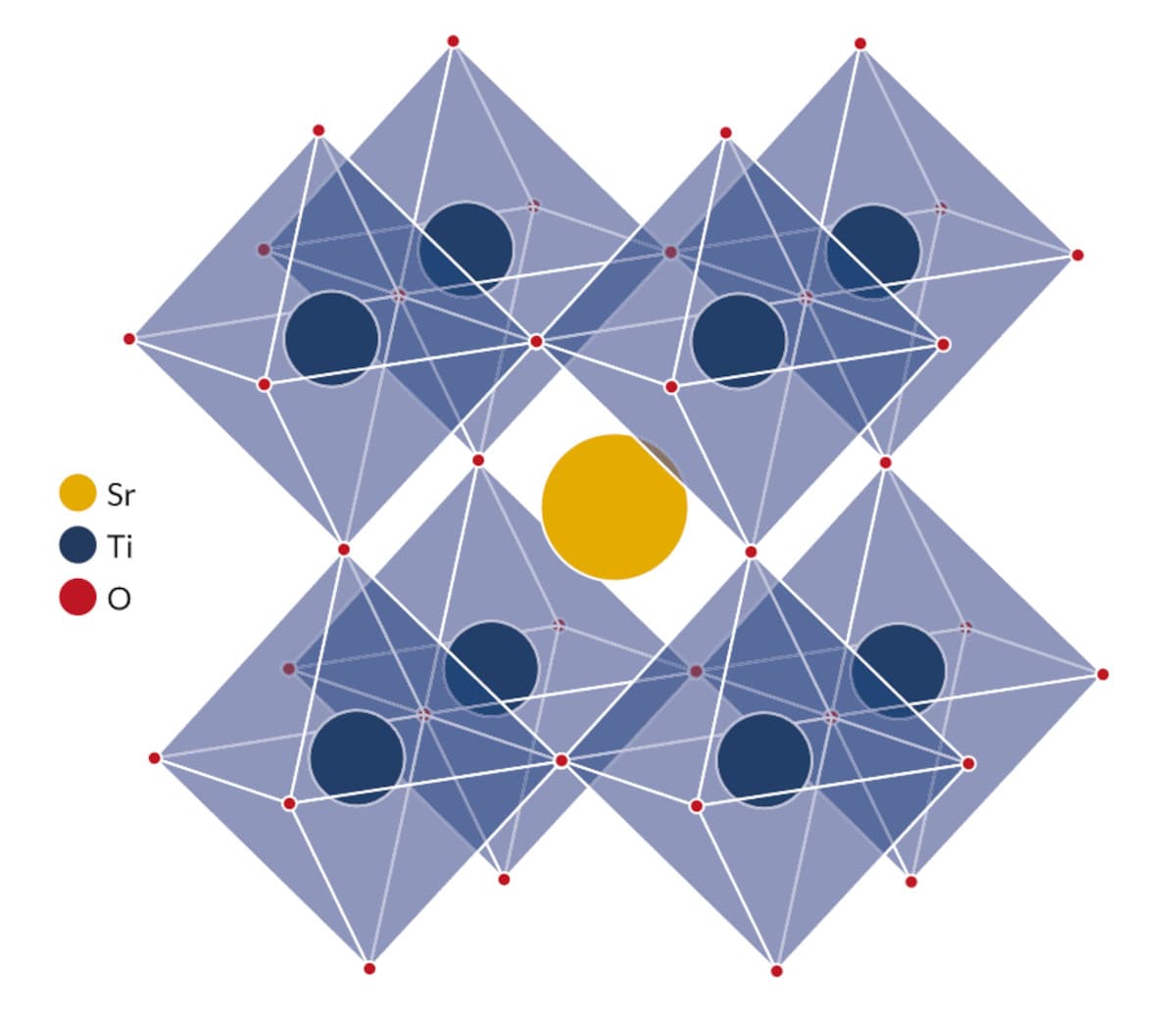
New photovoltaic materials and tandem architectures can push solar efficiency higher and reduce cost, accelerating renewable energy deployment.
Autonomy combines sensing, AI, and controls to perform tasks with reduced human input—impacting logistics, agriculture, manufacturing, inspection, and mobility.

3D printing is moving beyond prototypes to produce finished components in aerospace, medical devices, and industrial supply chains with faster iteration and less waste.
Techniques that allow data analysis and machine learning while reducing exposure of sensitive data—important for healthcare, finance, and regulated AI.