Stable posture and head control help your baby swallow safely and reduce choking risk. If they can sit in a high chair (with support) without slumping and keep their head steady, they’re closer to being solids-ready.

You’ll notice food no longer gets pushed right back out of the mouth with the tongue. When this reflex fades, baby can move food backward to swallow rather than automatically spitting it out.
Clear interest cues—leaning toward the spoon, opening the mouth, or reaching—often indicate readiness. This is different from just watching you eat; it’s an active “I want to try” signal.

Hand-to-mouth coordination is important for self-feeding skills and oral exploration. Babies who reliably bring toys/hands to their mouth are practicing the movements they’ll use with food.

If baby seems hungry soon after normal breastmilk/formula feeds, wants extra feeds, or growth spurts feel persistent, it can be a sign they’re ready for complementary foods—assuming milk intake is still adequate.
This multi-step coordination (visual attention → reach → grasp → bring to mouth) suggests baby can participate safely in feeding, including early finger foods when appropriate texture/size is used.
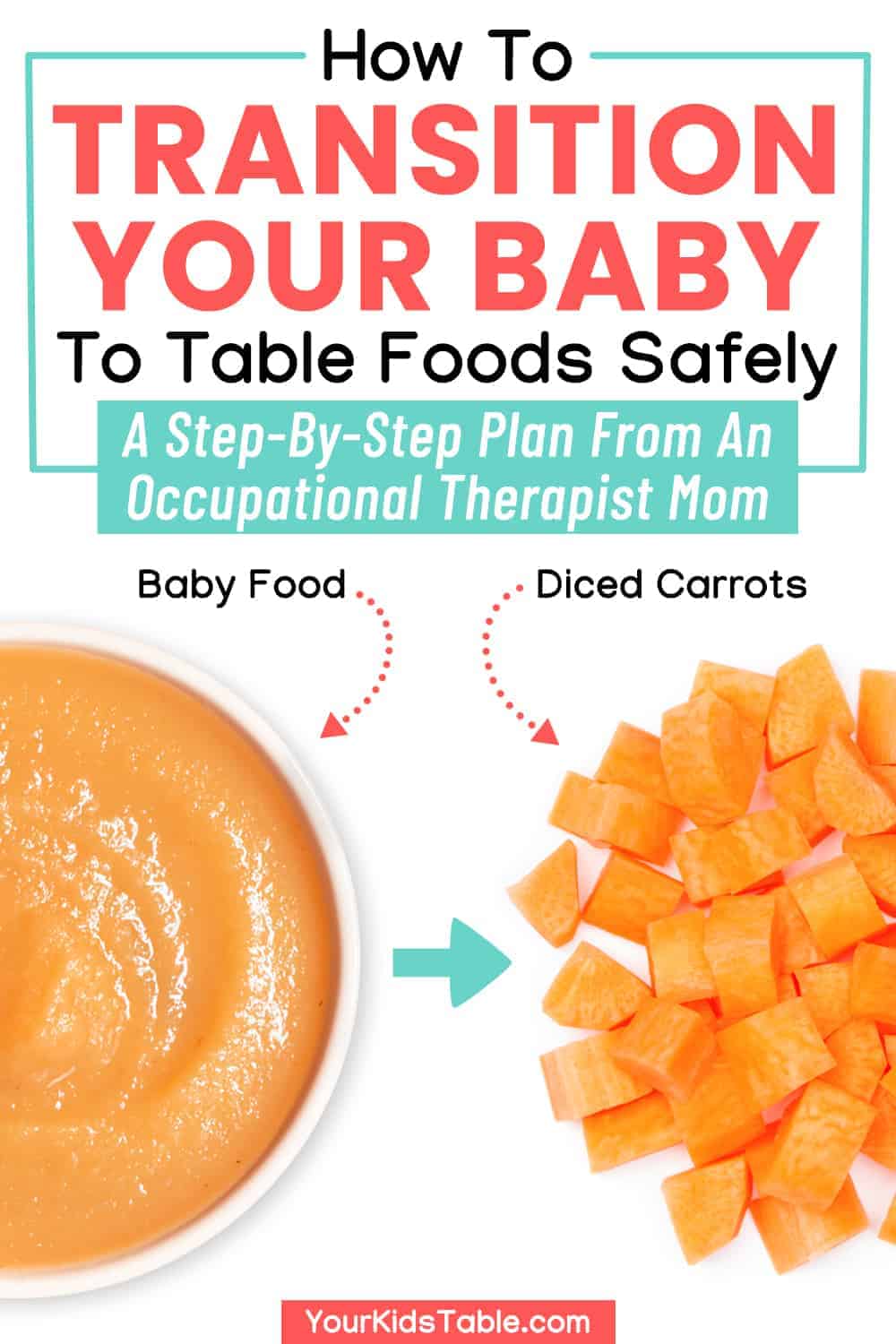
Some gagging is normal, especially early on, but frequent coughing, choking, or distress signals baby may not be ready. Readiness looks like manageable gagging with improving control, not persistent airway events.
Many babies show social and sensory readiness by watching others eat, reaching for foods, or mimicking chewing. Combined with physical readiness signs, this can be a strong indicator to start.
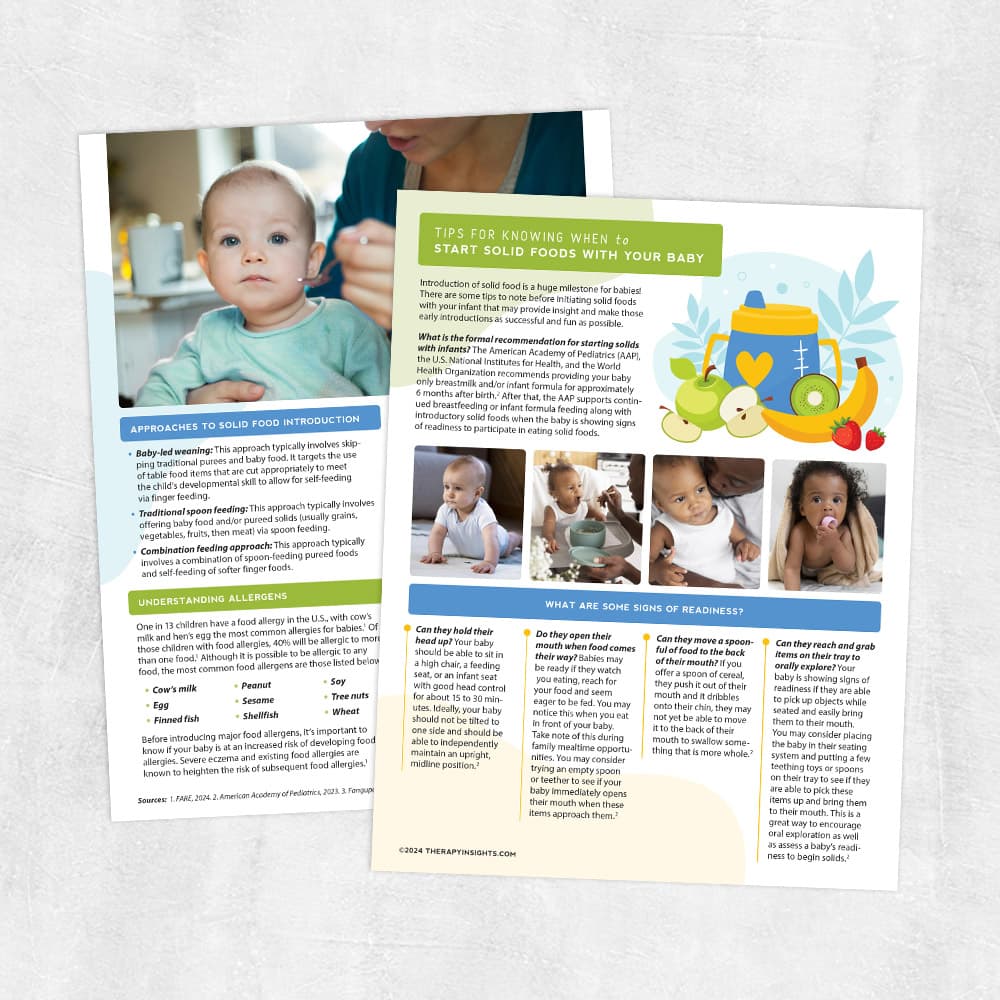
When baby can take food from a spoon straight-on and close lips around it, feeding tends to go more smoothly. This suggests improving oral motor control (lips, jaw, tongue).
Most babies are developmentally ready near 6 months, but age alone isn’t enough—use it alongside the physical signs above. Starting too early (e.g., before ~4 months) is generally discouraged unless medically directed.