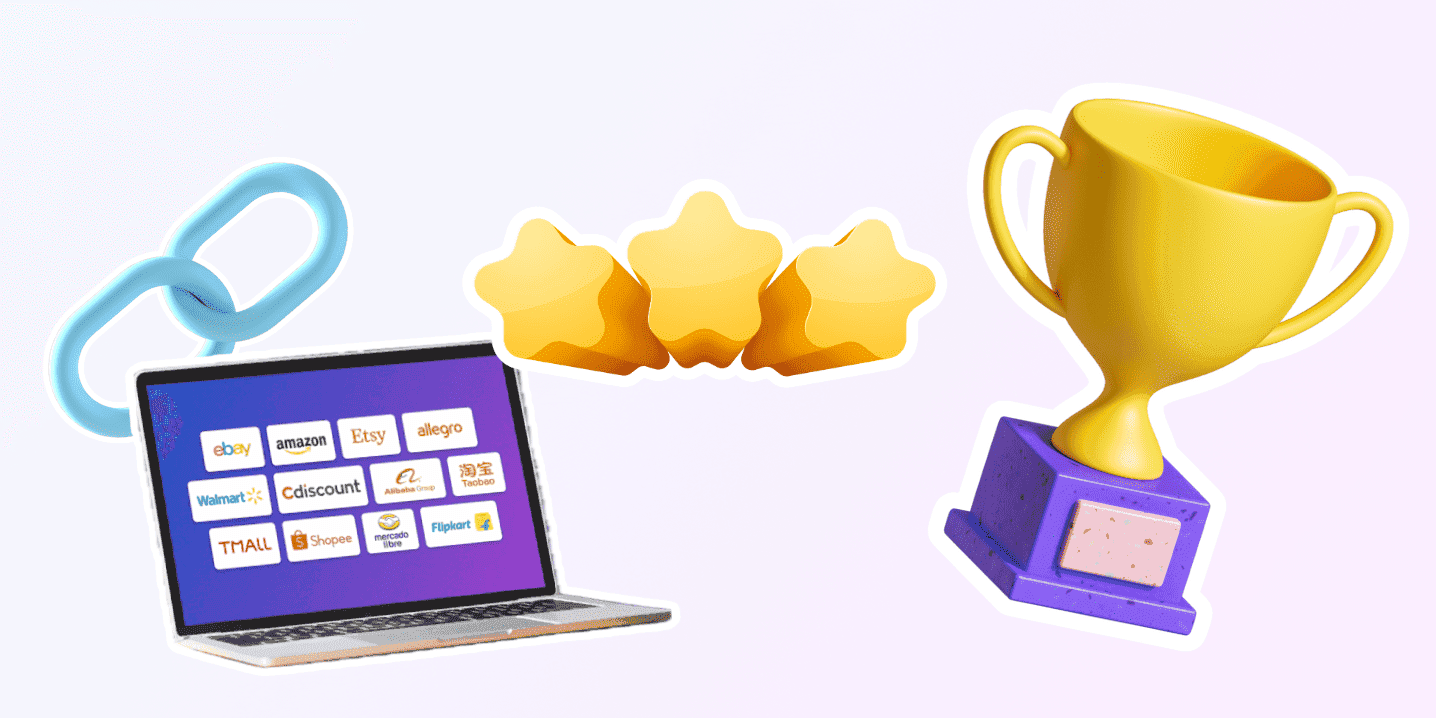
Marketplaces provide immediate access to high-intent shoppers and built-in trust, making them one of the fastest ways to start selling—especially for standardized products with clear demand.

A DTC store lets you own the brand experience, customer data, and margins. It’s ideal for long-term differentiation and repeat purchases, but requires driving your own traffic.

Social commerce blends discovery with purchase, often outperforming traditional ads for impulse-friendly products through creator content, short-form video, and live selling.
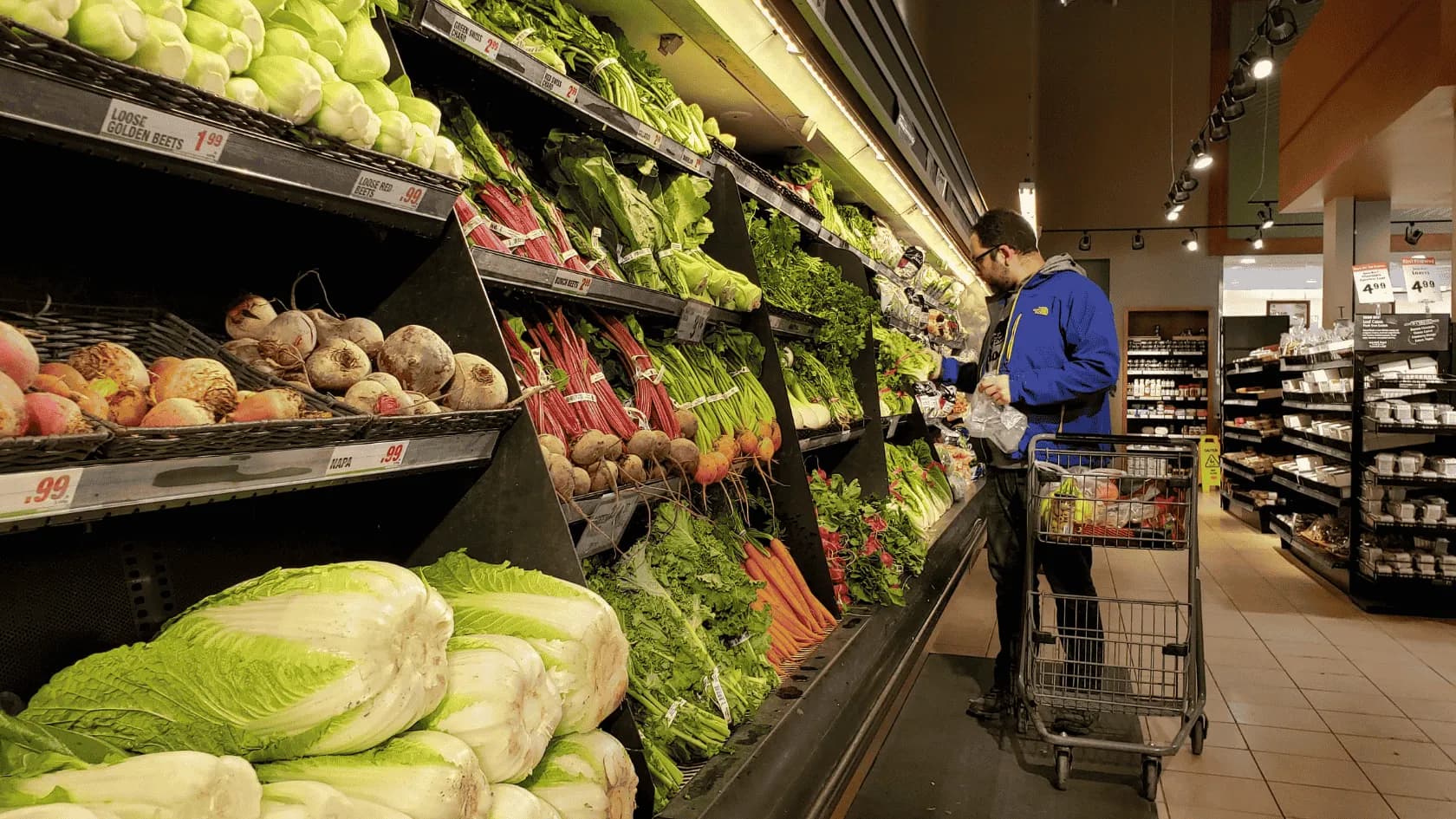
Wholesale can scale volume quickly and build legitimacy through shelf presence, but it reduces margins and introduces requirements like case packs, barcodes, and net terms.
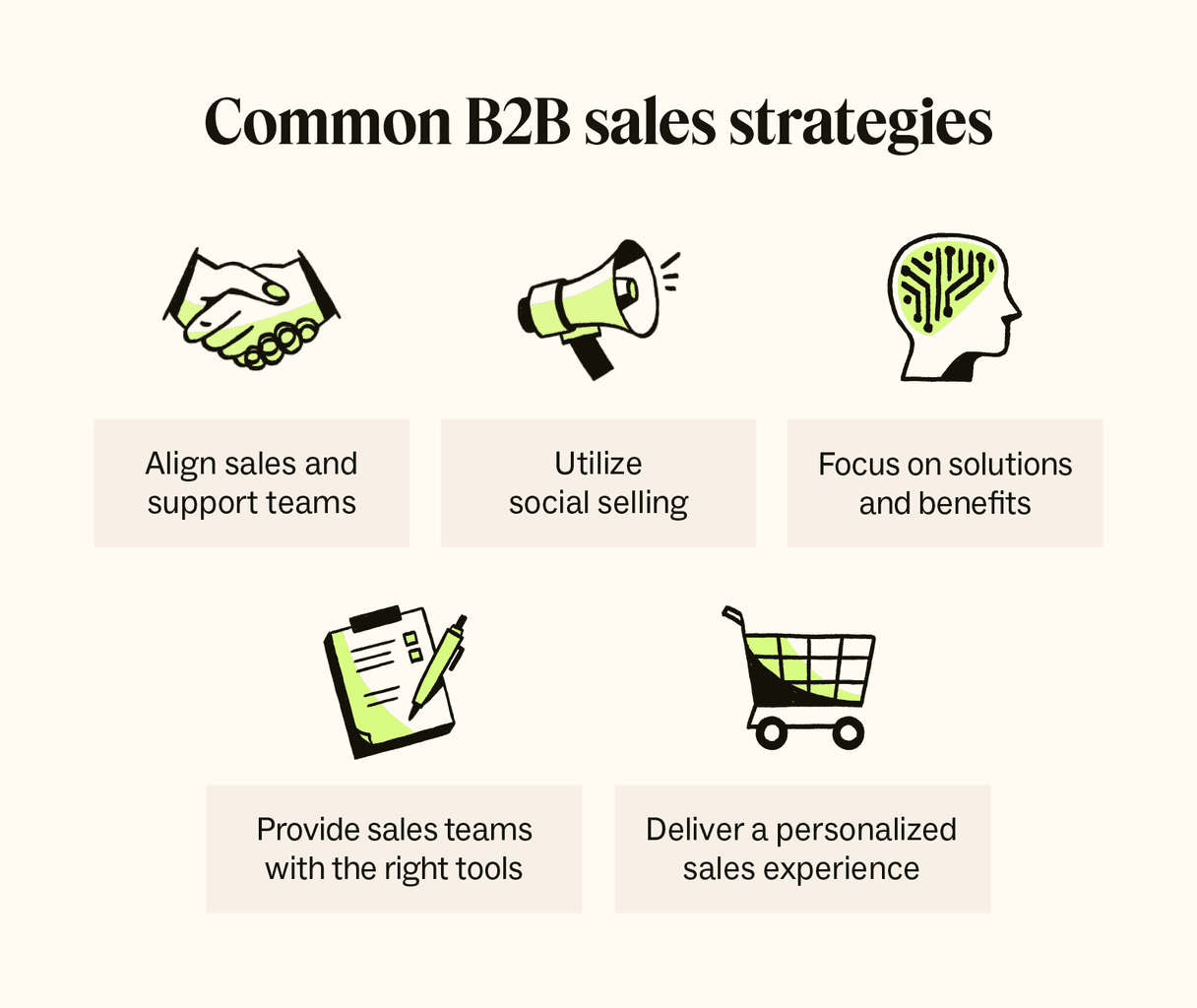
Selling to businesses can create high-LTV accounts and predictable reorder patterns—especially for consumables, office supplies, gifts, or components used in operations.

Pop-ups let you validate products, pricing, and messaging face-to-face while generating content and building a local audience—often with lower upfront cost than permanent retail.

Subscriptions turn one-time buyers into predictable recurring revenue, improving cash flow and inventory planning—when the product is replenishable or collectible.

Affiliates and referrals convert partners into a distributed salesforce. You typically pay for performance, which can reduce risk compared to pure upfront advertising.

Capturing existing demand via search is highly effective for products people already look for. SEO compounds over time, while paid search can scale quickly when unit economics work.
Strategic partnerships unlock new audiences by pairing complementary brands or bundling products. It can be more efficient than paid ads if the partner’s audience matches your buyer.