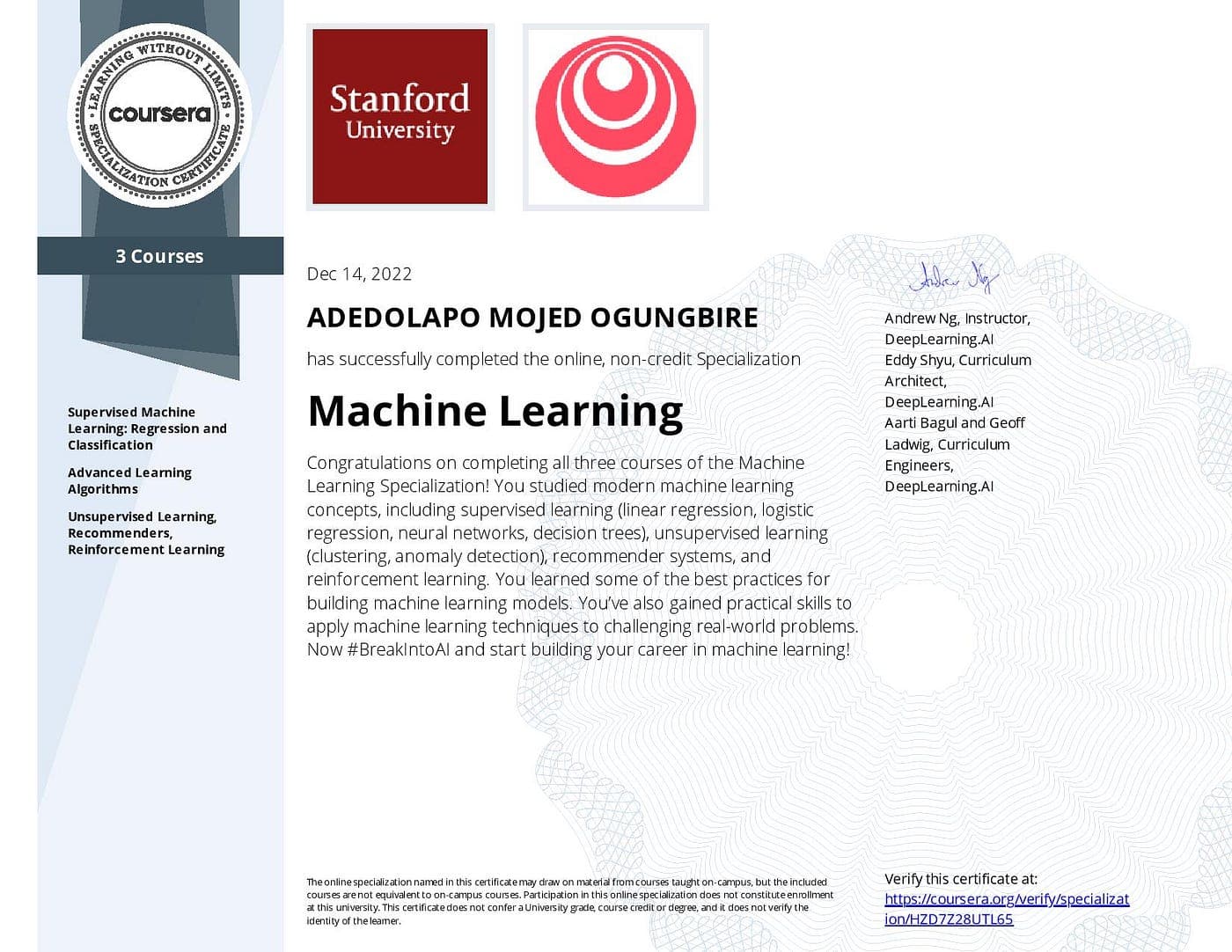
One of the most popular, structured on-ramps to modern machine learning; strong balance of intuition, math, and practical implementation—ideal if you want a credible ML foundation before branching into GenAI, NLP, or CV.
A classic deep learning pathway that remains highly relevant in 2026 for understanding neural nets beyond “prompting,” including optimization, regularization, and architectures used in real systems.
A non-technical course focused on AI literacy, strategy, and how AI projects succeed—useful in 2026 for product leaders, analysts, and anyone collaborating with AI teams.
A structured, job-oriented credential from Microsoft covering applied ML/AI skills; a strong pick for learners aiming to translate coursework into practical, portfolio-ready work.
A practical pathway that typically emphasizes building AI applications and workflows (including deployment-minded thinking). Good for learners who want to implement, not just study theory.

A rigorous, code-centric course that teaches core AI ideas (search, optimization, probabilistic reasoning) alongside ML concepts—excellent for strong fundamentals that generalize beyond any single model trend.

A fast, practical introduction with short lessons and exercises; great in 2026 as a quick ramp-up or refresher before deeper specialization.

A career-focused program that builds Python + ML readiness with portfolio-style projects—useful for learners who want structured milestones and feedback loops.
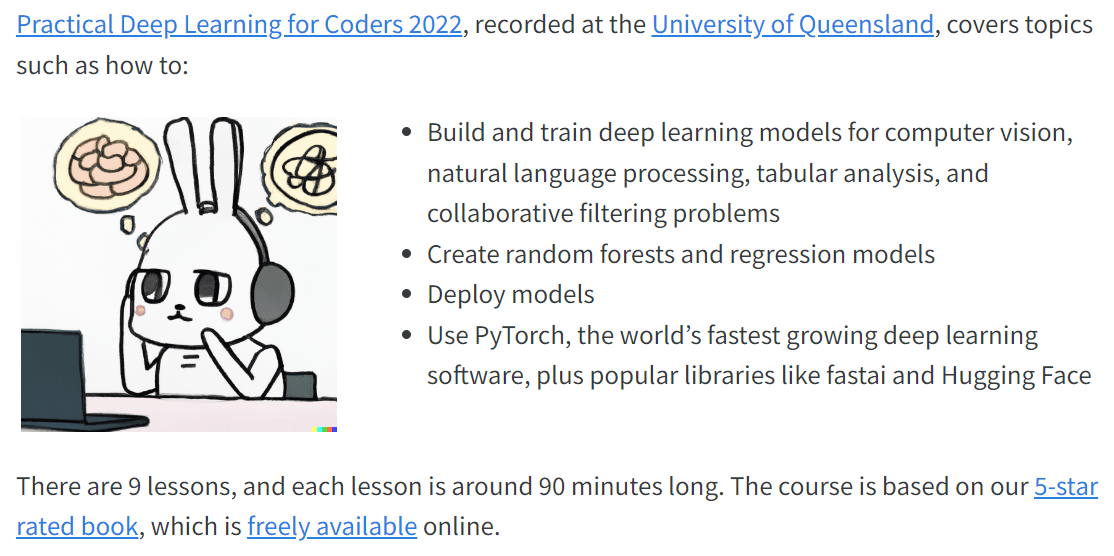
A highly practical, code-first approach to deep learning that quickly gets learners building real models; popular for its pragmatic teaching and strong community signal.
A reputable university-style deep learning introduction with strong conceptual clarity; great for learners who want a more academic framing and trustworthy lectures to anchor self-study.