If you mean Russian girls/women in a general sense, the most reliable starting point is neutral demographic and social data rather than stereotypes.

If you’re researching girls specifically (schooling, outcomes, opportunities), education indicators and reports are the best sources.

If the topic involves minors, use child protection resources and guidance (ethical research, safeguarding, rights).

If you mean cultural portrayals of girls/women in Russia, literature is a deep and nuanced lens (far better than clichés).

If you’re looking for modern and historical depictions, film/TV (plus criticism and festival coverage) offers diverse perspectives.

If you mean style or the modeling scene, focus on industry sources and ethical coverage rather than objectifying content.
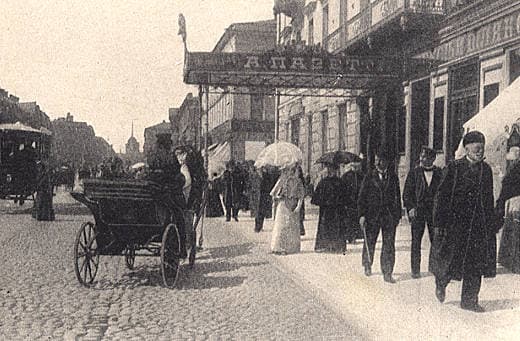
If you’re trying to understand Russian girls/women in context, history sources help explain norms, policy, and lived experience across periods.

If your interest is travel or meeting people, etiquette and cultural norms resources are more useful than generalized claims about “Russian girls.”
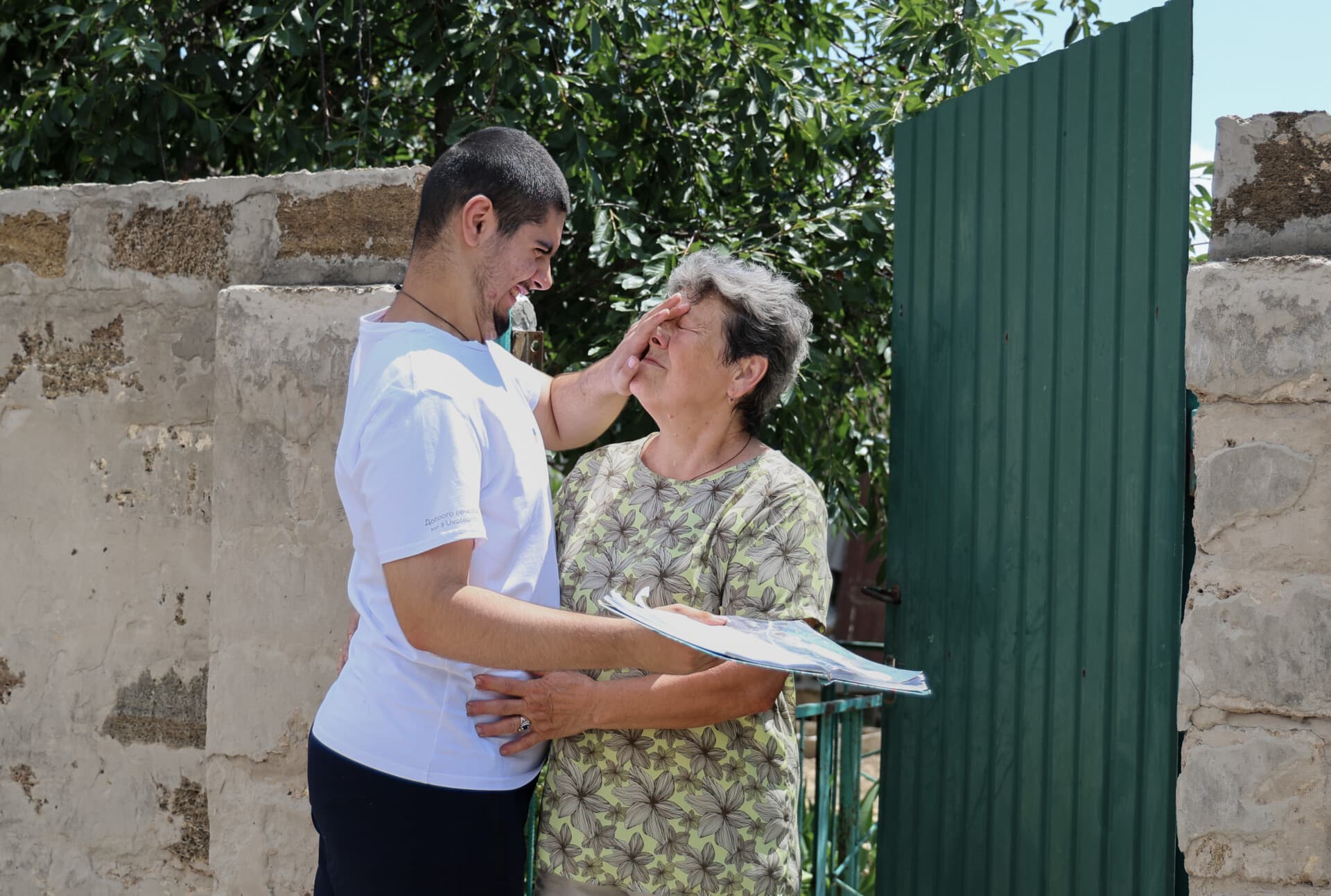
If you want to communicate, learning Russian (including polite forms and slang awareness) is the most direct, respectful route.

If you meant dating Russian women, prioritize consent, cultural respect, and scam awareness; avoid sites that commodify people.