Iron and zinc are key for immune cell development. Soft, well-cooked meats (pureed/shredded finely) are highly bioavailable sources, especially important once baby’s iron stores start to dip around ~6 months.
Provides omega-3 fats (DHA/EPA) that support immune signaling and brain development, plus vitamin D and selenium. Serve fully cooked and flaked very finely, or blended into purees.

Eggs contain protein, choline, selenium, and vitamins A and D—nutrients involved in immune defenses and tissue health. Fully cook and serve as thin omelet strips, scrambled pieces, or mashed egg.
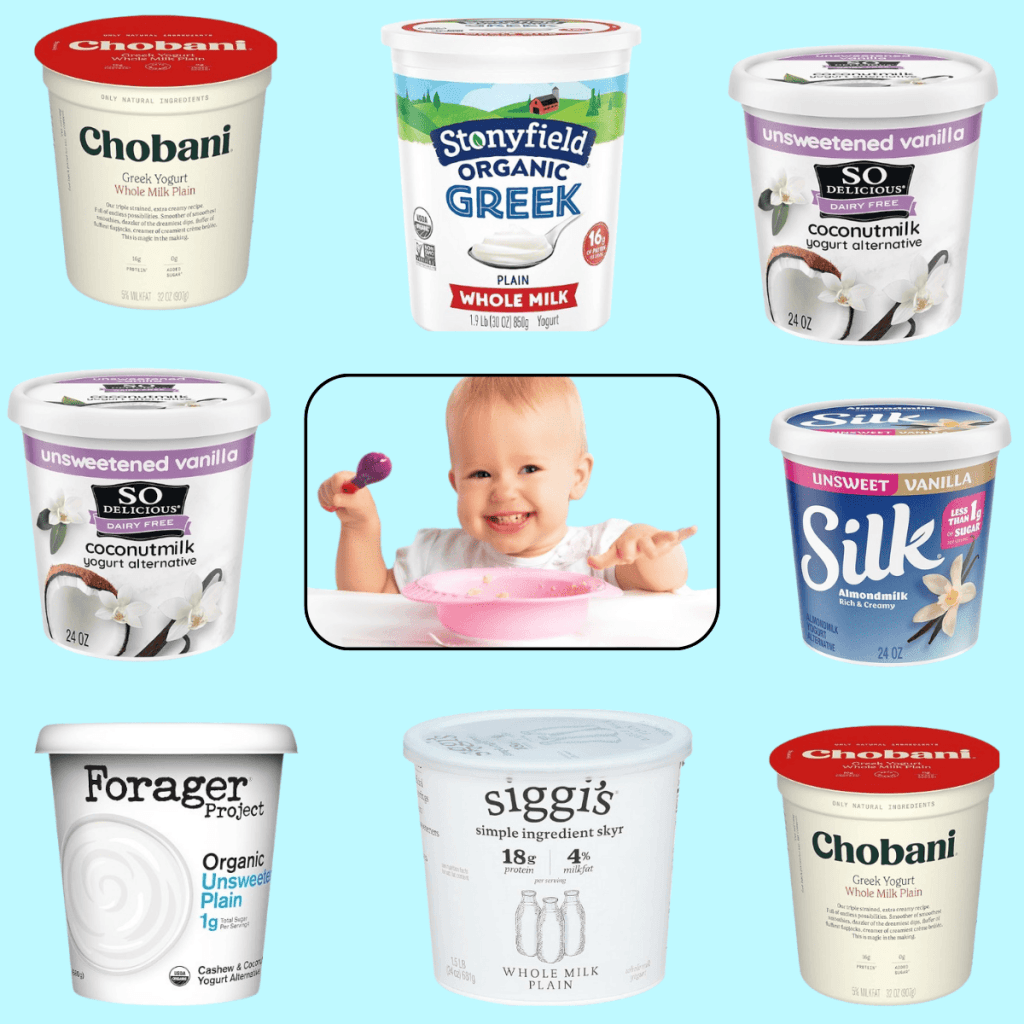
Fermented dairy can provide beneficial cultures and supports gut health, which is closely tied to immune function. Choose plain, unsweetened varieties to avoid added sugars.
Packed with iron, zinc, protein, and fiber—important building blocks for immune cells and a healthy gut. Serve well-cooked and mashed/pureed to a smooth, thin texture.
Vitamin C supports immune function and helps the body absorb non-heme iron from plant foods. Offer as soft fruit pieces, mashed fruit, or blended into yogurt/oatmeal.

These provide beta-carotene (vitamin A precursor), which supports healthy skin and mucous barriers—the body’s first line of defense. Cook until very soft and puree/mash.
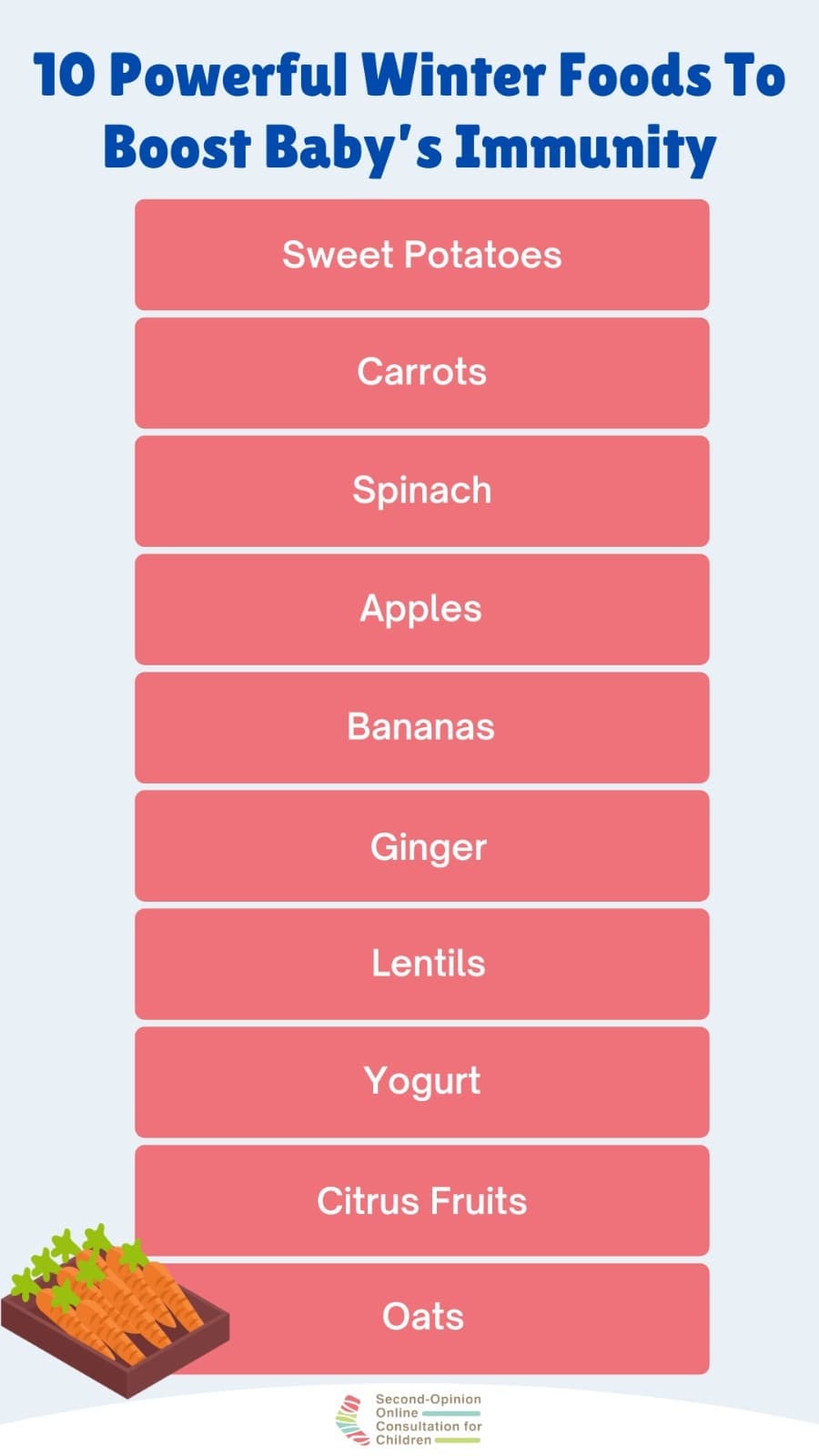
Many infant cereals are iron-fortified, helping prevent iron deficiency, which can impair immune function. Oats also provide soluble fiber that supports gut health.

Provide healthy fats, vitamin E, zinc, and protein. Early, safe introduction of peanut and egg (per pediatric guidance) may reduce allergy risk for many babies. Always thin nut/seed butters to avoid choking hazards.
Healthy fats support overall growth and help absorb fat-soluble vitamins (A, D, E, K), which play roles in immune health. Avocado is easy to mash; olive oil can enrich purees.