Your plan should match your goal (fat loss, strength, endurance, mobility, performance). Tracking a few key metrics helps you adjust quickly instead of guessing.

To get stronger or more fit, training must gradually become more challenging. Progress can come from adding weight, reps, sets, range of motion, or improving technique.

A well-rounded routine covers squat/lunge, hinge, push, pull, carry, and core/bracing. This builds functional strength, reduces weak links, and improves posture and performance.

Form and smart intensity keep you training consistently. Most sets should be challenging but not maximal—especially for beginners and for compound lifts.
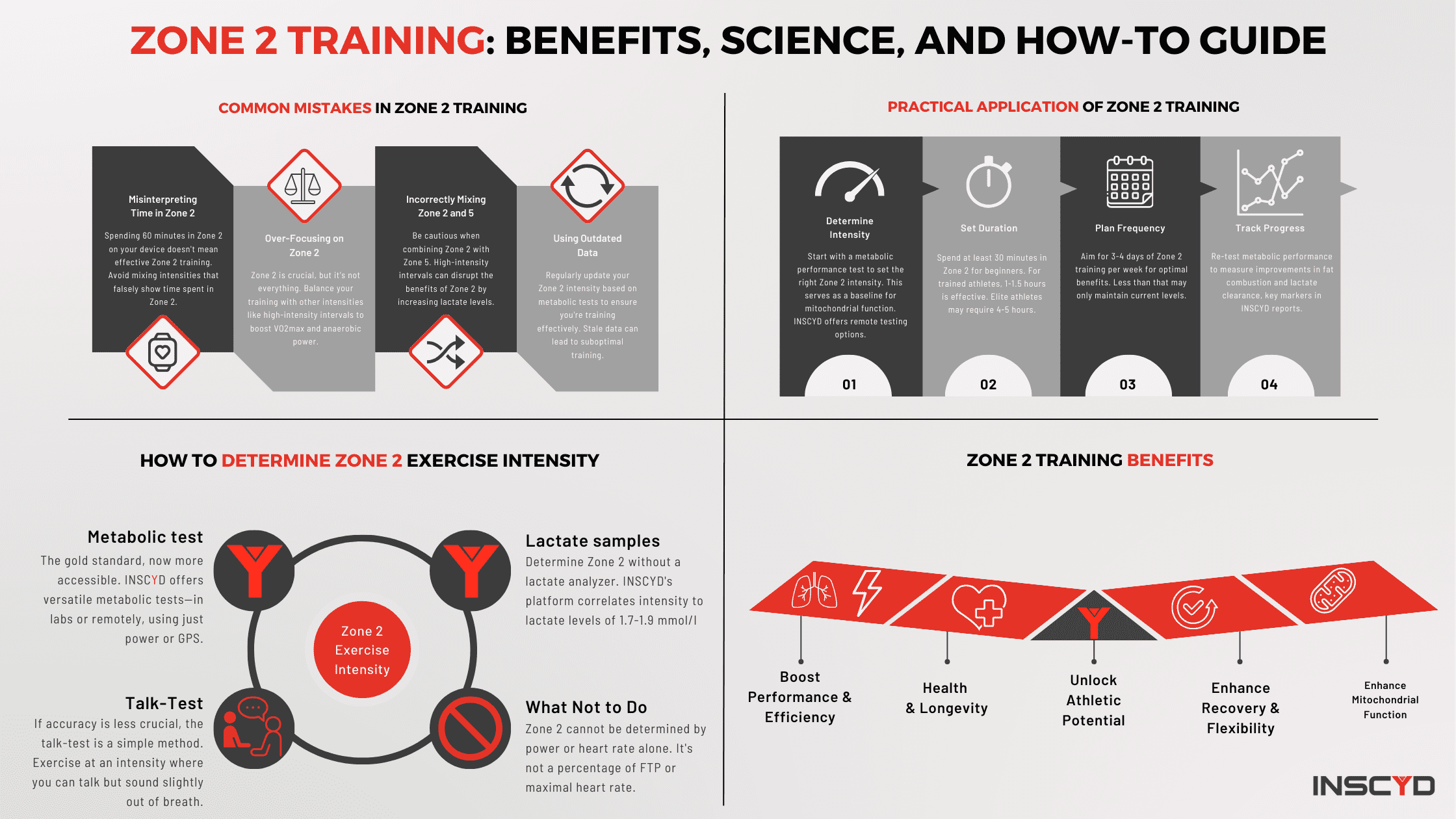
Cardio improves heart health, work capacity, and recovery. A combination of easy aerobic work (Zone 2) and occasional higher-intensity intervals is effective and time-efficient.
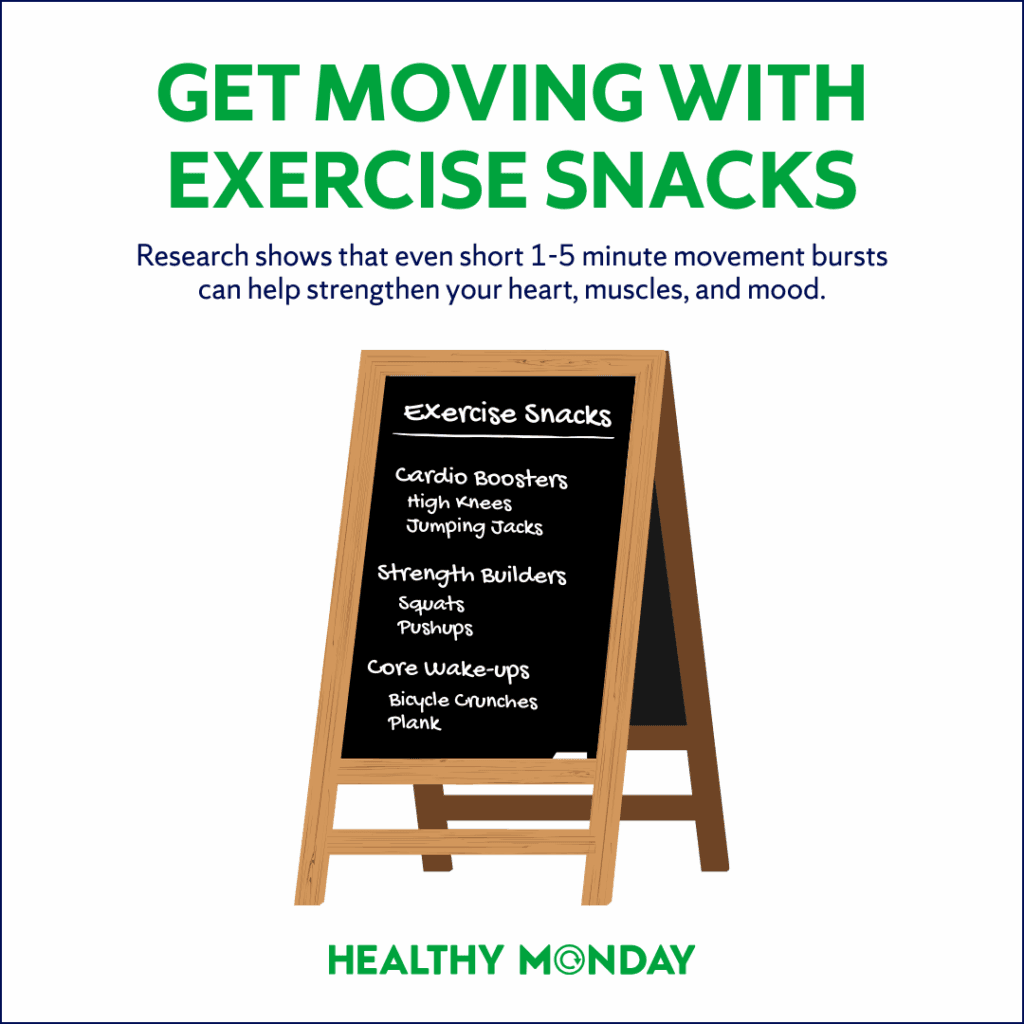
Non-exercise activity (walking, standing, light chores) meaningfully impacts health, energy balance, and recovery. Small movement breaks add up when life is busy.

Protein supports muscle repair and satiety; fiber supports digestion and helps regulate appetite. This combo improves body composition outcomes without complicated rules.

Sleep improves performance, recovery, appetite regulation, and injury resistance. If progress stalls, sleep is often the missing lever.

A good warm-up improves movement quality and reduces early-session stiffness. Mobility work is most effective when targeted to your needs and paired with strength through range.

Results come from weeks and months of repeatable training. The best program is the one you can do consistently—so reduce friction and manage fatigue with planned easier weeks.