.jpg&w=3840&q=75)
A continued shift toward understated, high-quality staples—minimal branding, impeccable tailoring, and premium fabrics that signal taste through fit and materials rather than logos.
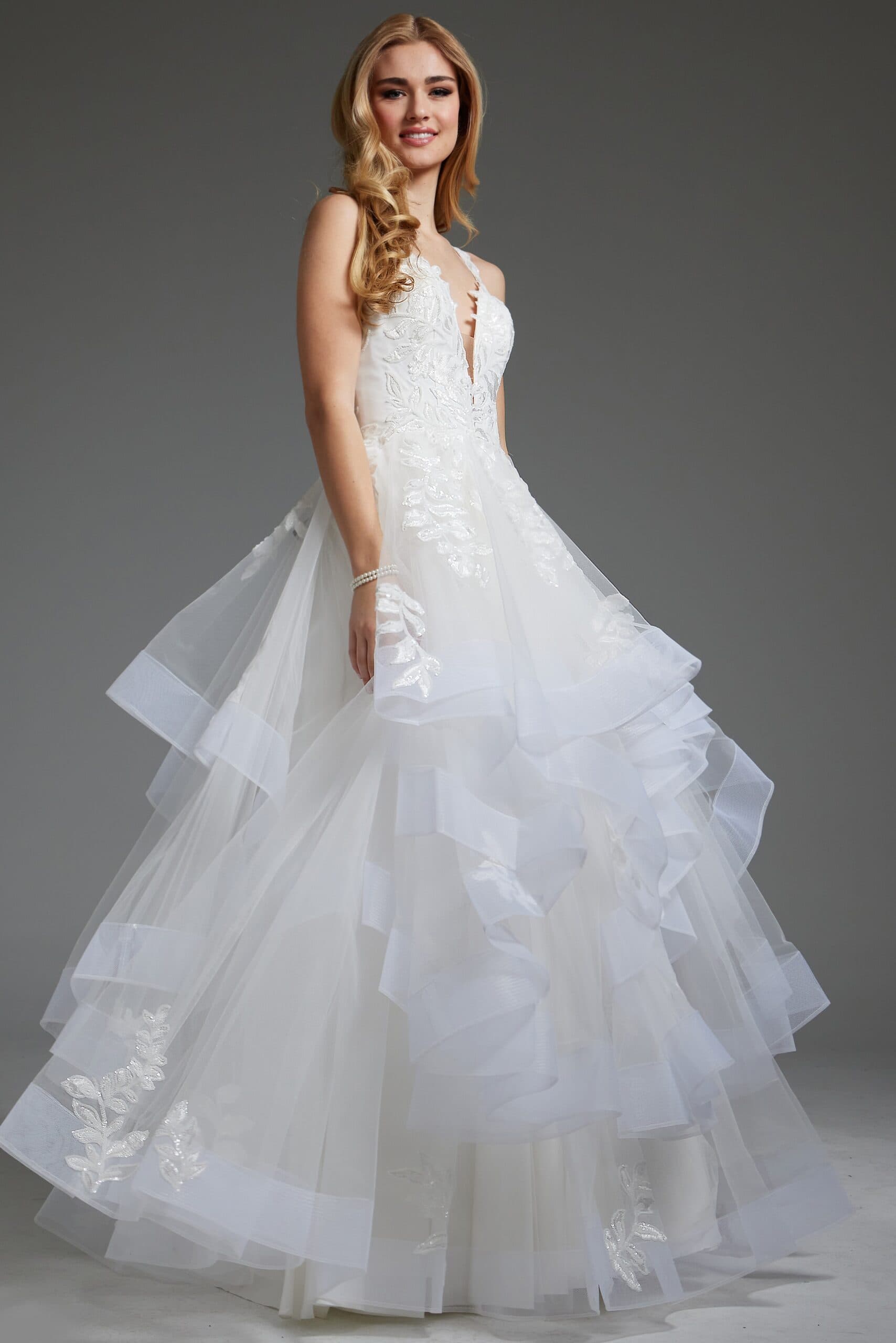
Sheer dressing is moving from runway to street via layered styling—adding dimension without sacrificing coverage by combining translucent tops/skirts with slips, bodysuits, or tailoring.

Loose fits dominate denim and pants—skater-inspired, 90s/00s throwback shapes that emphasize comfort and proportion play (wide legs, low-to-mid rises, longer inseams).

Outerwear becomes the outfit. From sweeping long coats to revamped bombers and leather moto jackets, the focus is on a strong top layer that anchors simple basics underneath.

Suits and tailored separates are everywhere—often oversized or relaxed rather than sharp-and-stiff. Matching sets make dressing easy and work across office, travel, and evening.
.jpg&w=3840&q=75)
A romantic, delicate aesthetic shows up through wrap shapes, satin, soft knits, ballet flats, and pale hues—often balanced with casual denim or tailored pieces for contrast.

A single saturated color—especially red—continues as the fastest way to modernize basics. People are using it in coats, bags, shoes, or a head-to-toe statement look.
Accessories are bigger and bolder: wide belts to define waists, oversized totes for practicality, and jewelry that reads on camera (chunky hoops, cuffs, layered necklaces).
Functional design continues through cargo pockets, utility vests, and workwear-inspired cuts—often refined in better fabrics or paired with dressier pieces for balance.
Less a single aesthetic and more a dominant behavior: thrifting, resale platforms, upcycling, and repairing garments are shaping wardrobes and influencing brand offerings.