Kids write step-by-step instructions (an algorithm) to navigate a room and find an object—great for teaching sequencing and precision without screens.

Create pixel drawings on grid paper to introduce coordinates, patterns, and the idea of “programming” images from simple rules.
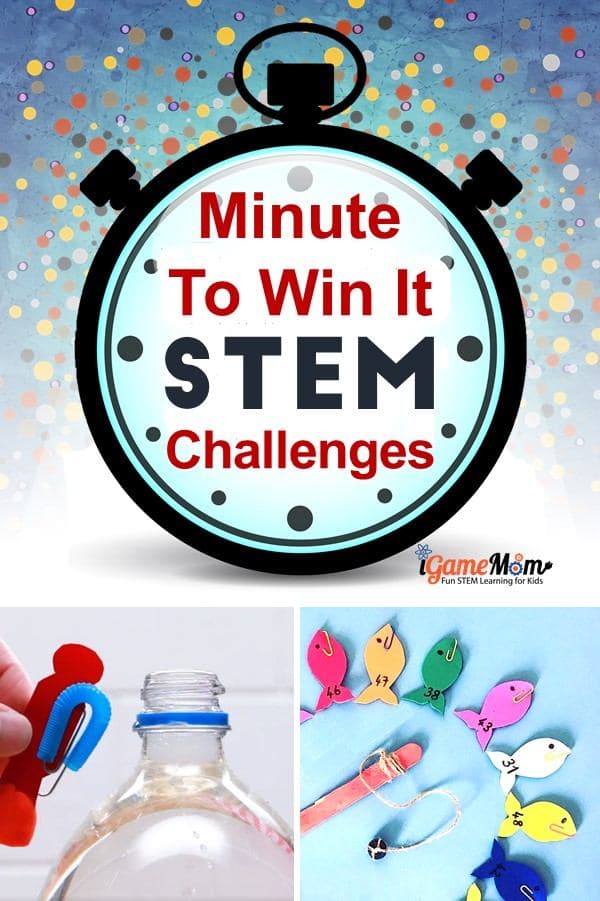
Kids invent repeatable instructions to build cup towers, then refactor them into loops (e.g., “repeat 5 times: place cup”).

Turn conditionals into a movement game: “If you’re wearing blue, jump; else, clap,” progressing to nested rules.
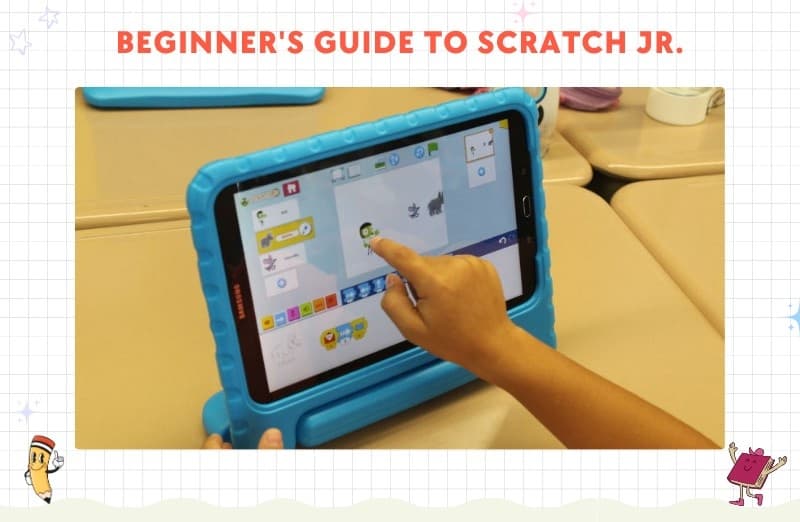
Kids drag blocks to animate characters and build a simple story—perfect for learning event triggers, sequencing, and experimentation.
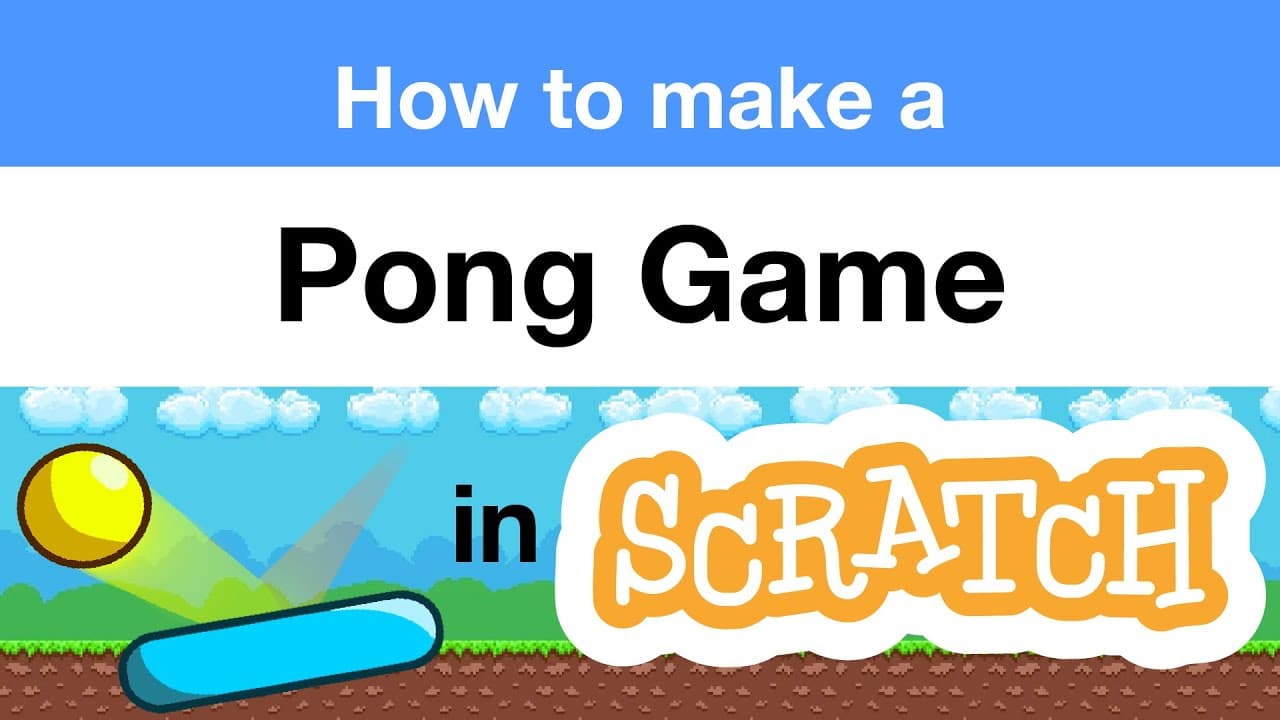
Using Scratch, kids build a small game (catch a falling object or navigate a maze) to learn sprites, events, loops, and variables.
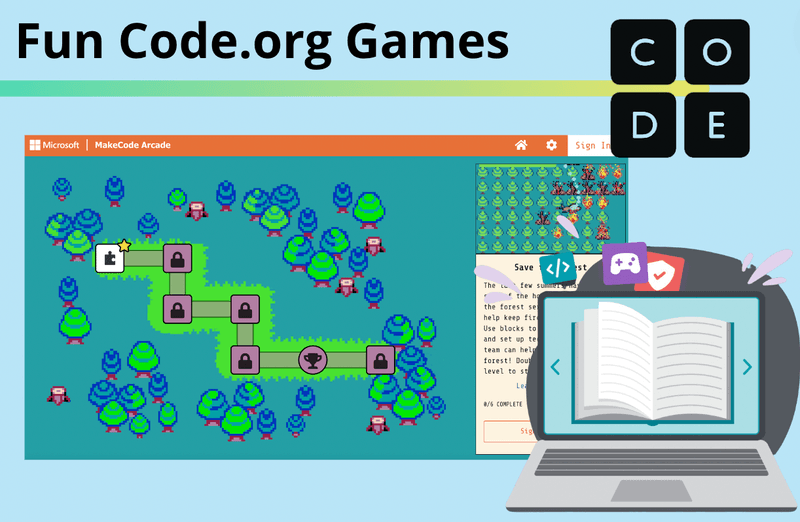
Short, guided puzzles that progressively teach sequencing, loops, and conditionals with popular themes and clear milestones.

Maze-style challenges where kids assemble blocks into programs, making loops and conditionals feel like tools for efficiency.
Program a small robot with buttons or cards to navigate a taped grid, making sequencing and debugging physical and fun.
Create simple interactive gadgets using a microcontroller—great for kids ready to connect code to real-world inputs/outputs.