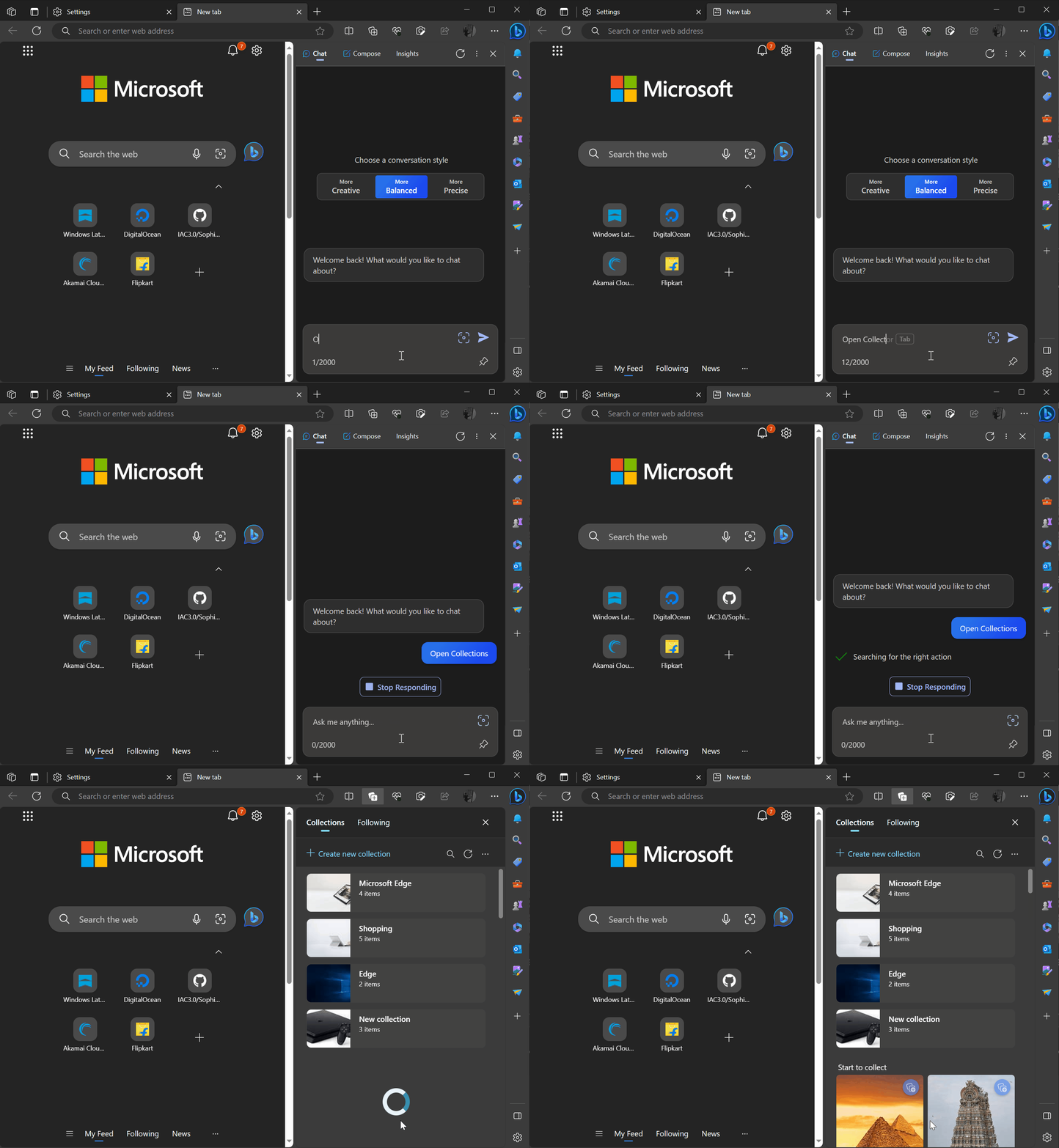
A mainstream Windows browser that integrates Copilot for AI chat and page-aware assistance, making it one of the most accessible “AI browsers” you can install as a desktop app.
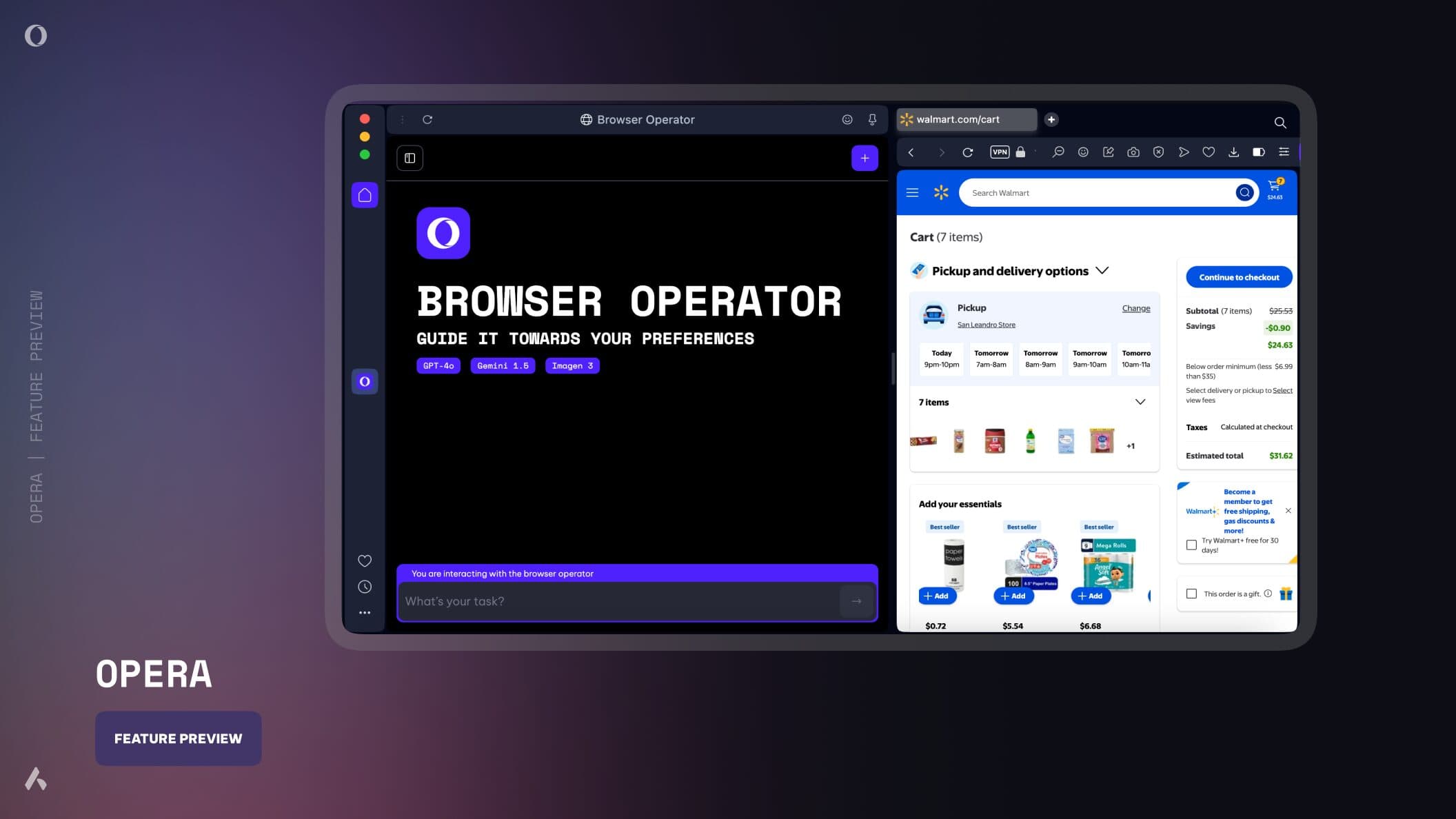
A feature-rich browser with a built-in AI assistant (Aria) aimed at browsing workflows: quick answers, writing help, and sidebar productivity tools.

A privacy-focused Chromium browser that layers AI capabilities into a security-oriented browsing experience, popular with users who want less tracking by default.

Not AI-native by design, but a top choice for advanced tab/workflow control—pair it with AI extensions for a highly customizable “AI browsing” setup.

While AI may not be “the browser UI” itself, Chrome is the default baseline for AI-on-the-web thanks to broad compatibility and the largest extension ecosystem.
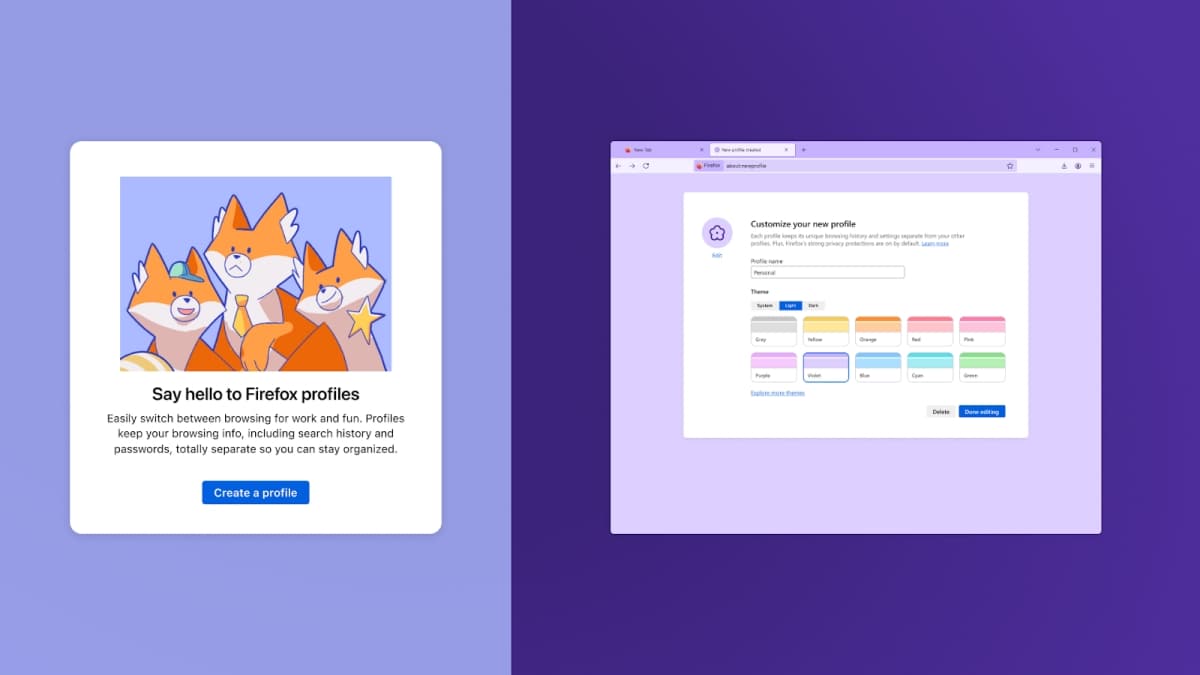
A non-Chromium option for users who want a different engine and robust privacy controls—AI features are typically added via extensions and AI web tools.

A workflow-focused browser known for rethinking tabs and spaces; its AI features and availability vary by platform, but it’s often discussed as a modern AI-forward browser concept.

Not a traditional browser, but often used as a primary “AI web gateway” for research—great for replacing many browsing/search loops with conversational answers and citations.
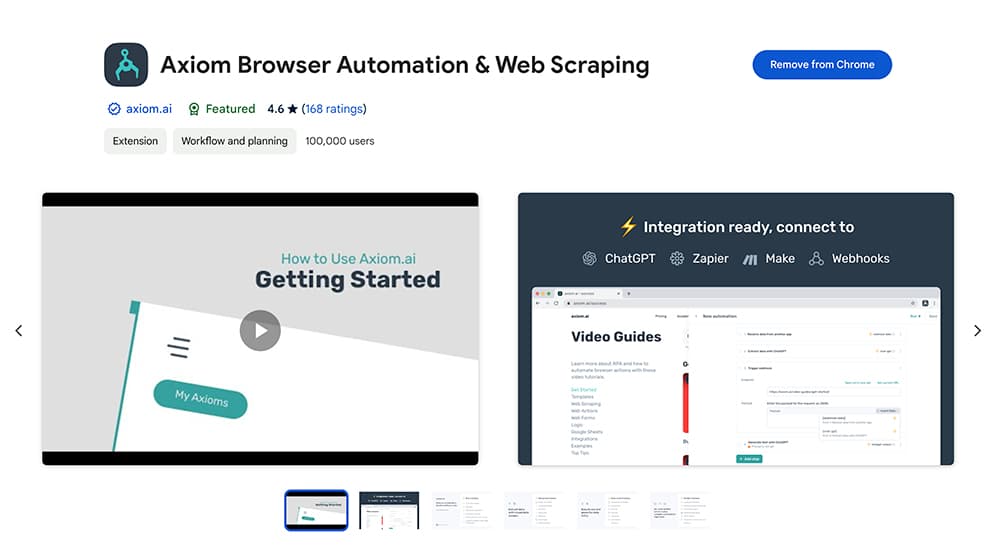
Also not a full browser, but a common install alongside any browser: use it for page summarization (via copy/share), drafting, coding help, and research—especially when paired with a browser extension.

A popular “AI in the browser” option when you specifically want AI tools injected into webpages (summarize, rewrite, explain) without switching to a new browser.